
On February 11, 2026, Tehran staged a bonfire with a message. By March 2, 2026, that message had hardened into a regional war. Iran’s state-backed rallies didn’t cause the strikes, but they did help lock the conflict into a religious-and-existential frame where escalation sells easier than restraint.
Geographic Reference
Blazing Baal Effigy Ignites Hatred in Tehran
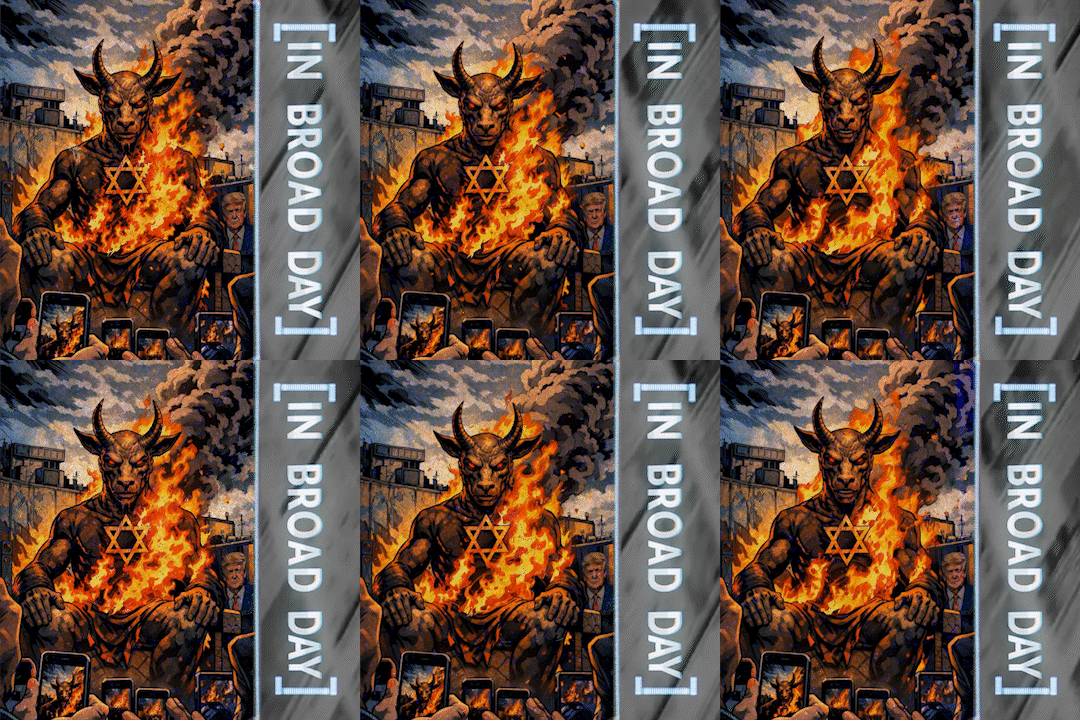
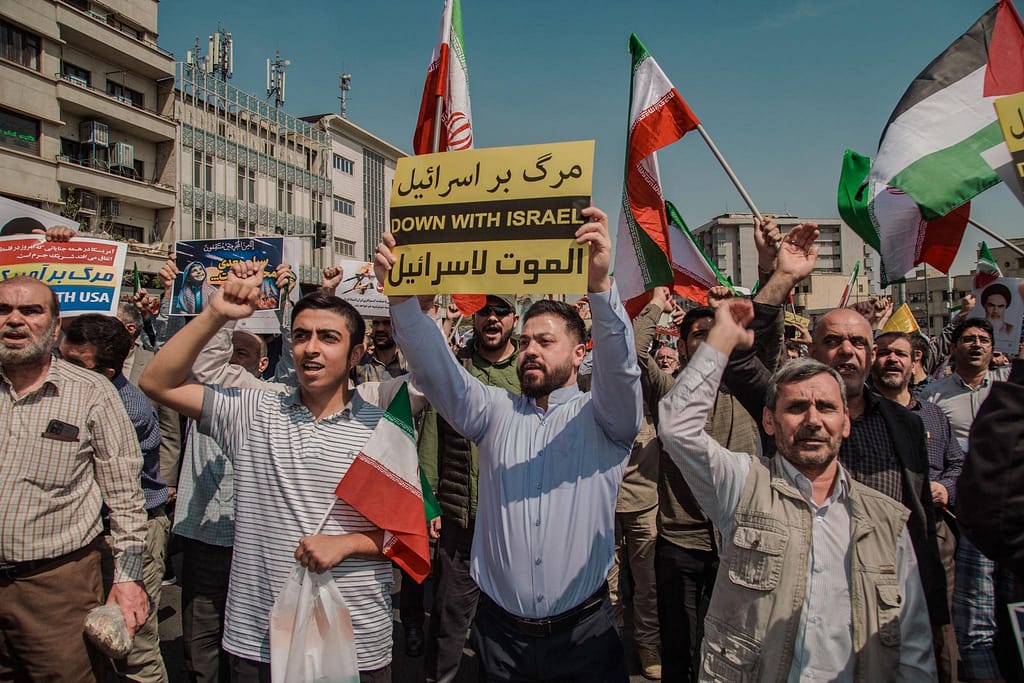
During revolution-anniversary rallies, demonstrators burned a horned “Baal” effigy in public squares, including Tehran, while chanting anti-Israel and anti-U.S. slogans. Reports described the statue as a “satanic figure,” marked with a Star of David and, in some coverage, paired with imagery of Donald Trump.
“We, the monotheists of the world, by the help of God, will bring down the worshipers of Baal, the worshipers of Satan, and the arrogant oppressors.”
That line matters because it rewires the conflict. It stops being a dispute over borders, deterrence, or treaties. It becomes a moral crusade. Once leaders and crowds talk like that, every next move gets judged as righteousness vs. surrender.
Baal Statue, Star of David & Chilling Symbolism
Placing the Star of David on Baal aimed to brand Israel as “pagan” or “satanic,” not simply an adversary state. That’s not a policy argument. It’s a delegitimization tactic, and it reliably inflames rather than persuades.
State spectacle reinforced the same posture. Footage and reporting from the anniversary events described weapons displays and coordinated messaging designed to project defiance.
Ancient Deity Meets Modern Conspiracy Theories
Baal is an ancient Canaanite/Phoenician deity later used in Abrahamic traditions as a symbol for idolatry. Modern propaganda often repackages that imagery to produce instant “good vs. evil” clarity.
Some coverage also notes attempts to fuse “Baal” language with contemporary conspiracies (including Epstein-adjacent claims). Treat that layer as an engagement tactic, not evidence. Conspiracy glue spreads fast because it feels explanatory. It usually isn’t.


From Idol Fire to Airstrikes
Here’s the cause-and-effect chain worth watching:
- Symbolic demonization (Feb 11): The Baal effigy frames enemies as satanic forces, which raises the public’s tolerance for extreme action.
- Escalation becomes easier to justify (late Feb–early Mar): Once the story is spiritualized, leaders can pitch strikes as cleansing, prevention, or destiny.
- Kinetic reality (Mar 2): U.S.-Israeli strikes and Iran’s retaliation expand across the region, with Tehran hit for multiple days and spillover into Lebanon and Gulf states.
That’s the pivot: the “idol” moment reads like rehearsal for a broader narrative—one that makes prolonged conflict sound inevitable.
Iran Live Updates: Weeks of War, Harder Hits, Wider Fire
By March 2, President Trump publicly floated a campaign timeline of “four to five weeks,” while emphasizing it could last longer. Secretary of State Marco Rubio warned that “the hardest hits are yet to come.” Those two lines function as policy and marketing: they prepare the public for duration, cost, and escalation.
Rubio also described the strikes as addressing an “imminent threat,” while other reporting highlighted internal tensions in the administration’s framing and objectives. Watch this closely. When rationales wobble, escalation risk rises because leaders start fighting the narrative war at home while fighting a real one abroad.
The War’s “Worse Since” Indicators
Several developments illustrate how fast this escalated beyond a contained exchange:
- U.S. casualties: U.S. officials reported service-member deaths from Iranian strikes.
- Friendly-fire shock: CENTCOM reported three U.S. F-15s were downed by Kuwaiti air defenses in an apparent friendly-fire incident, with all six aircrew recovered in stable condition.
- Hezbollah front opens: Hezbollah rockets and Israeli retaliation hit Beirut, widening the fight.
- Hormuz threat: An IRGC adviser threatened to block the Strait of Hormuz and attack ships, with shipping already disrupted. That’s the economic choke point that turns a regional war into a global price shock.
Practical Takeaways for Newcomers and Veterans
If you’re new to following conflicts, start here: track actions, not slogans. Speeches inflate. Logistics reveal intent. Use three lenses:
- Narrative lens: Who gets cast as “evil,” “satanic,” or “non-human”? That language predicts fewer off-ramps.
- Capability lens: Missiles, air defenses, and shipping lanes matter more than viral clips. Hormuz headlines deserve immediate attention.
- Messaging lens: When leaders say “weeks” and “hardest hits,” they’re shaping expectations. Expect escalation when officials pre-sell escalation.
So… is Trump “playing Baal”?
Trump and Rubio used “weeks-long” and “hardest hits” language that signals endurance and escalation.
Iran’s propaganda used “Baal” imagery to paint enemies as satanic. So at that point, it’s up to you to decide.
Leave a Reply