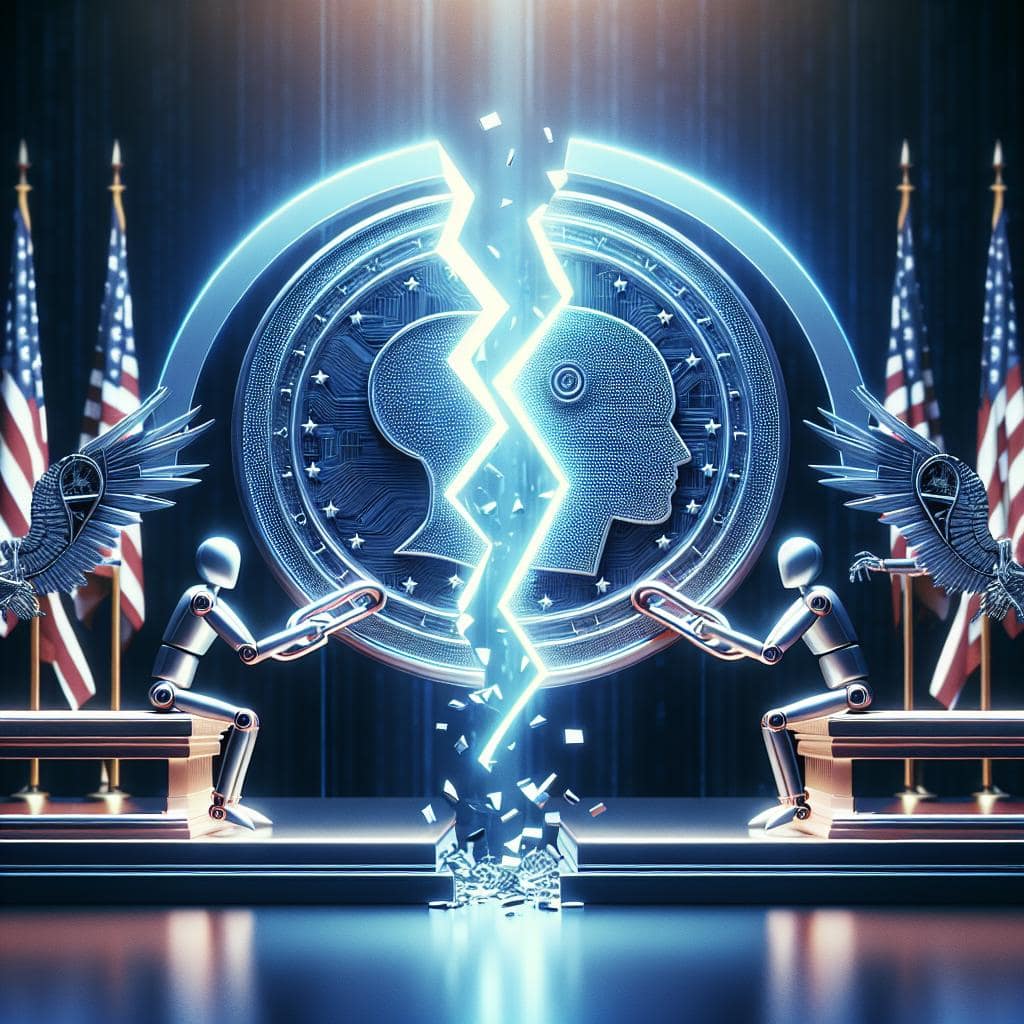
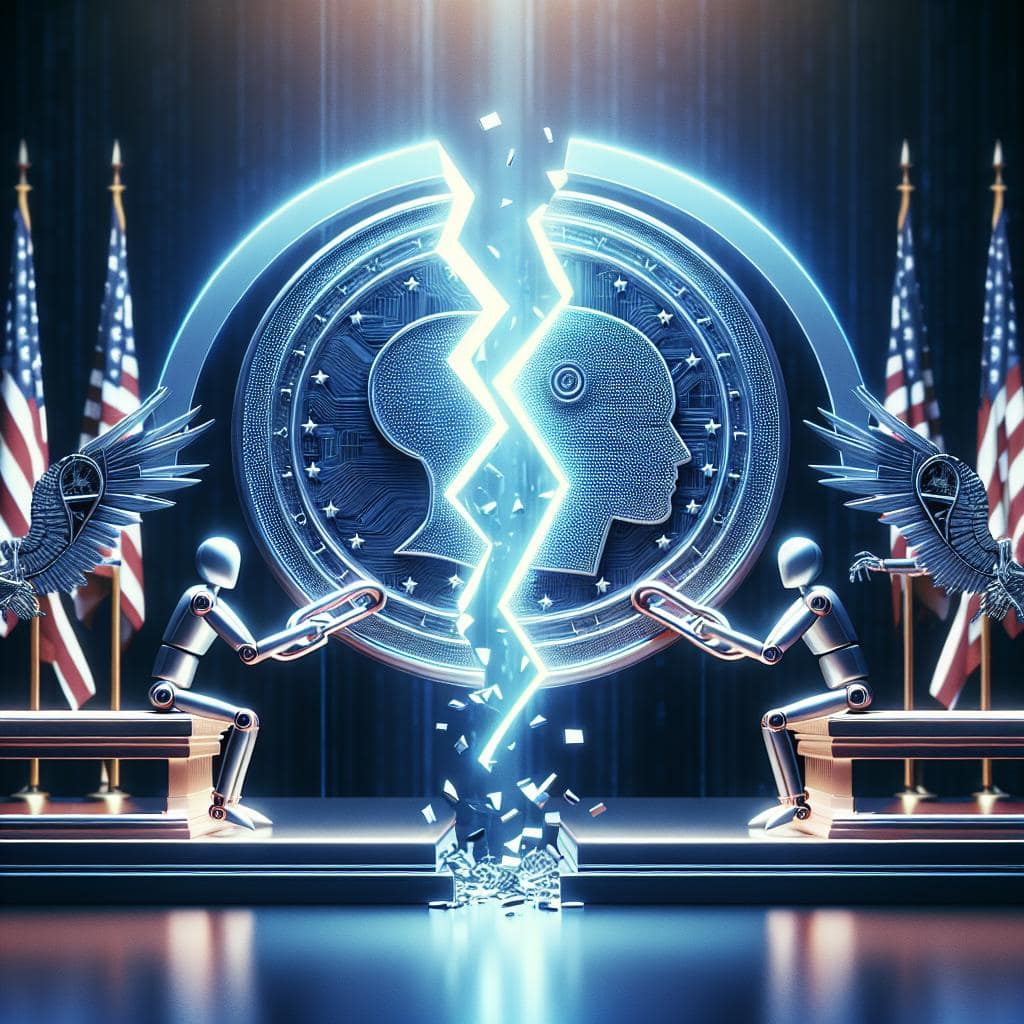
President Trump ordered all federal agencies to immediately stop using Anthropic’s AI, escalating a standoff over how the Pentagon can deploy Claude in classified and military contexts. The General Services Administration (GSA) moved to suspend Anthropic access on USAi (a government chatbot platform) and to remove the company from the federal procurement channels agencies use to buy commercial tech.
What triggered the split
Anthropic had recently secured a $200 million Pentagon contract and, uniquely among its peers, its Claude models had obtained Pentagon security clearance to handle secret/classified data. But the Department of Defense began pushing for unrestricted use of Claude—requests Anthropic says would cross red lines such as enabling mass domestic surveillance or fully autonomous lethal weapons. Anthropic maintains those uses were not part of its contracts.
The Pentagon’s pressure campaign
According to the article, DOD set a deadline for Anthropic to comply and threatened extraordinary measures, including potentially invoking the Defense Production Act and designating Anthropic a “supply-chain risk.” After Trump’s public directive, Defense Secretary Pete Hegseth said the administration would apply that supply-chain-risk designation—an action that could, in theory, force other major federal contractors to stop working with Anthropic.
Anthropic’s stance—and why it matters
CEO Dario Amodei publicly refused to yield, arguing the requested uses are not acceptable and that current models are not reliable enough for autonomous weapons. The dispute highlights a broader shift: frontier AI is largely built and financed by the private sector, and the companies that understand these systems best may increasingly try to set limits on how governments use them—a reversal from traditional defense contracting norms.
Fallout across Silicon Valley
The article describes support for Anthropic from parts of the tech community, including statements opposing mass surveillance and autonomous lethal weapons, as well as an employee-backed open letter. At the same time, the move could create uncertainty for partners (for example, cloud and infrastructure relationships) depending on how broadly the “supply-chain risk” label is applied. The piece suggests this episode could foreshadow a deeper split within Silicon Valley over national-security work and the acceptable boundaries of military AI.
Leave a Reply