First:
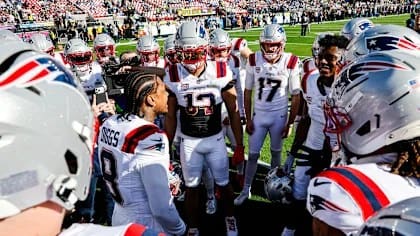
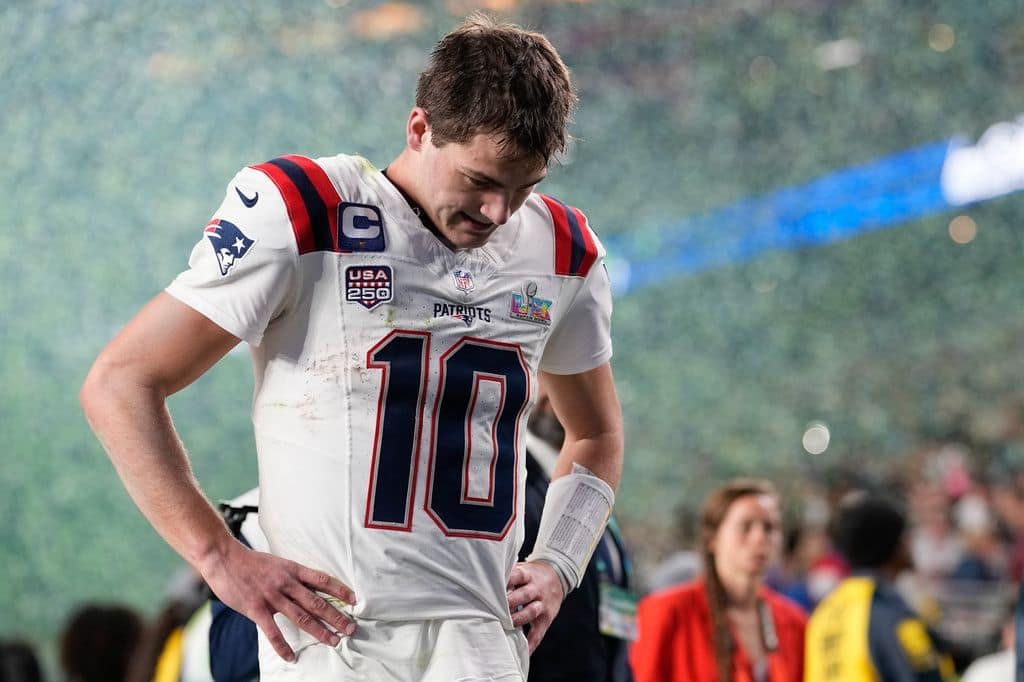
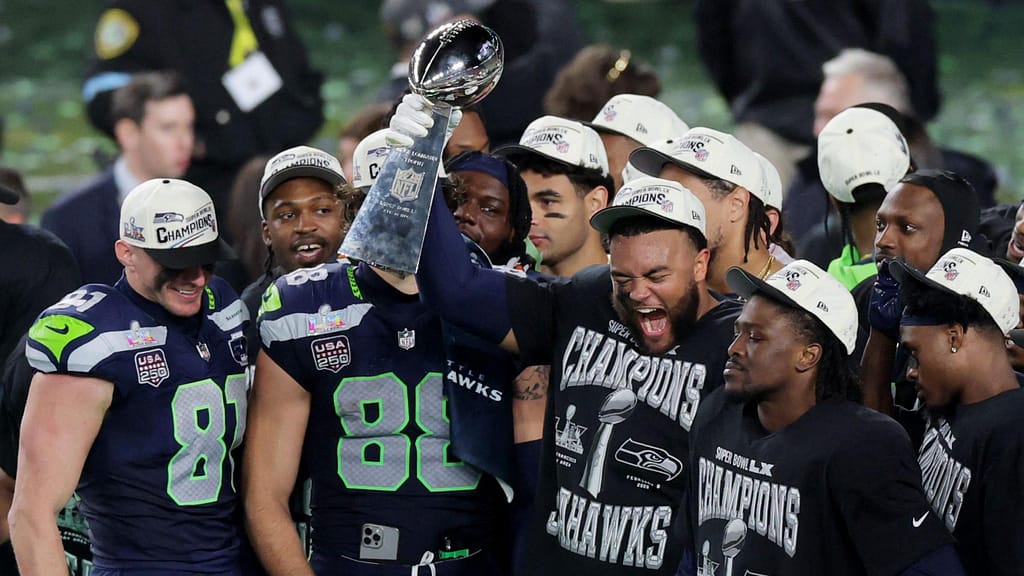
there was the game itself — flat, predictable, and strangely hollow. For all the buildup, money, and myth-making, the matchup failed to deliver anything memorable enough to justify its own gravity. No defining plays, no tension that lingered, no moments that felt earned rather than manufactured. In a way, that disappointment only sharpened the larger critique: when the product at the center collapses into mediocrity, the surrounding spectacle becomes louder, heavier, and more distracting by design. The football fades, the symbolism swells, and what’s left is a reminder that the event no longer survives on the game — it survives on attention alone.
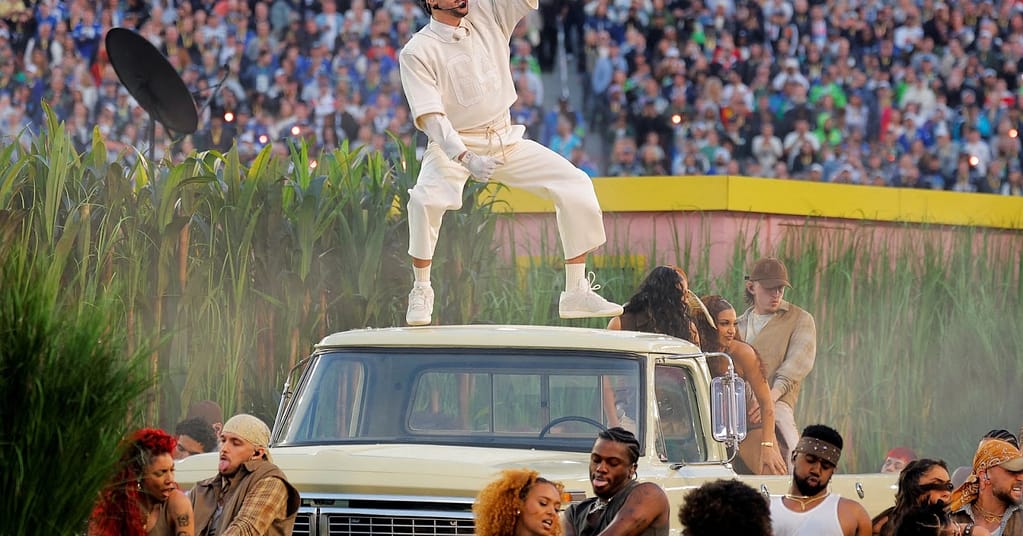
Then there was the segment of global propaganda… or halftime show as most would call it. The Super Bowl halftime show is more than entertainment — it’s a cultural mirror reflecting the state of society itself. But in 2026, the spectacle sparked something deeper: not just cheers and boos, but a full-blown debate over meaning, messaging, and who controls the narrative.
Latest Super Bowl Halftime Controversy & Reactions
Trump says Bad Bunny’s Super Bowl halftime was ‘absolutely terrible
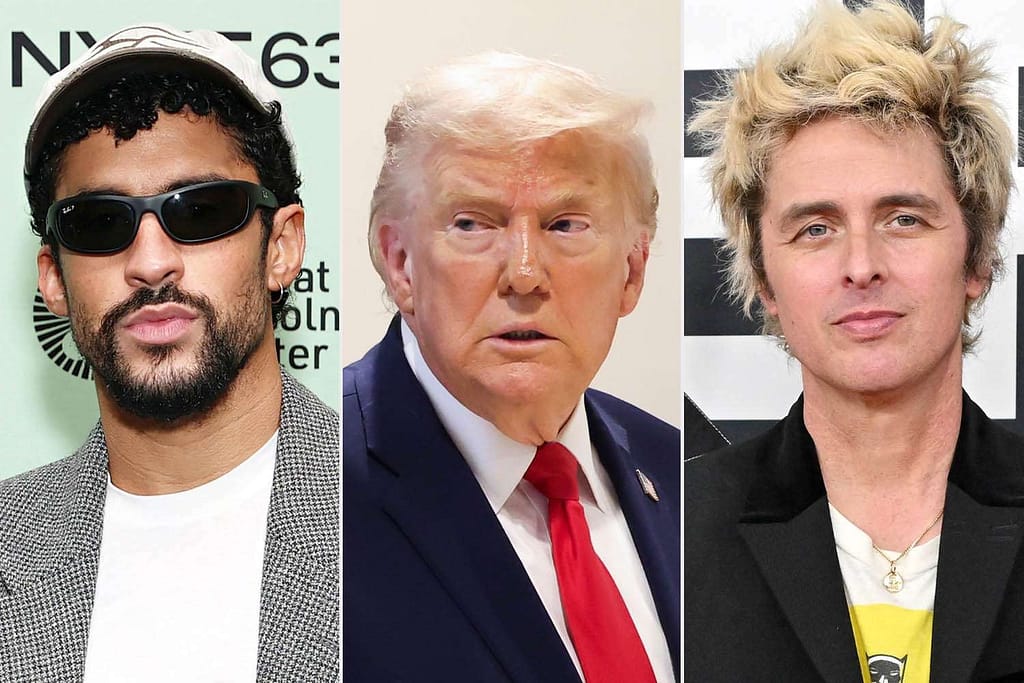
Bad Bunny to meet political moment as Maga fumes over Super Bowl show
Organizers hand out more than 15,000 “ICE OUT” towels at Super Bowl for halftime protest
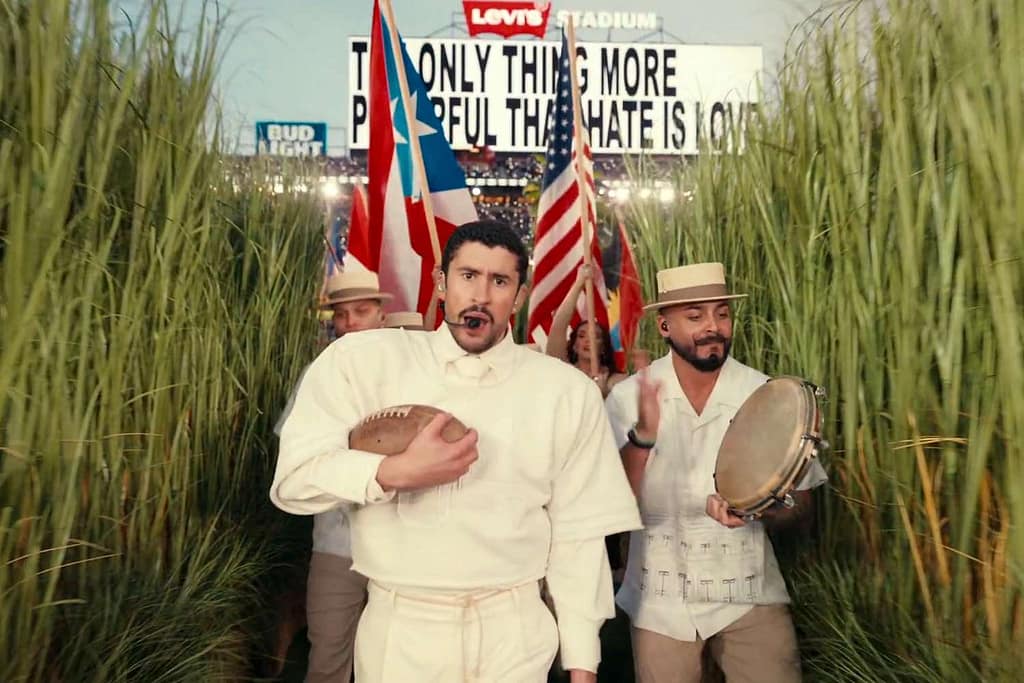
A Stage Bigger Than Football
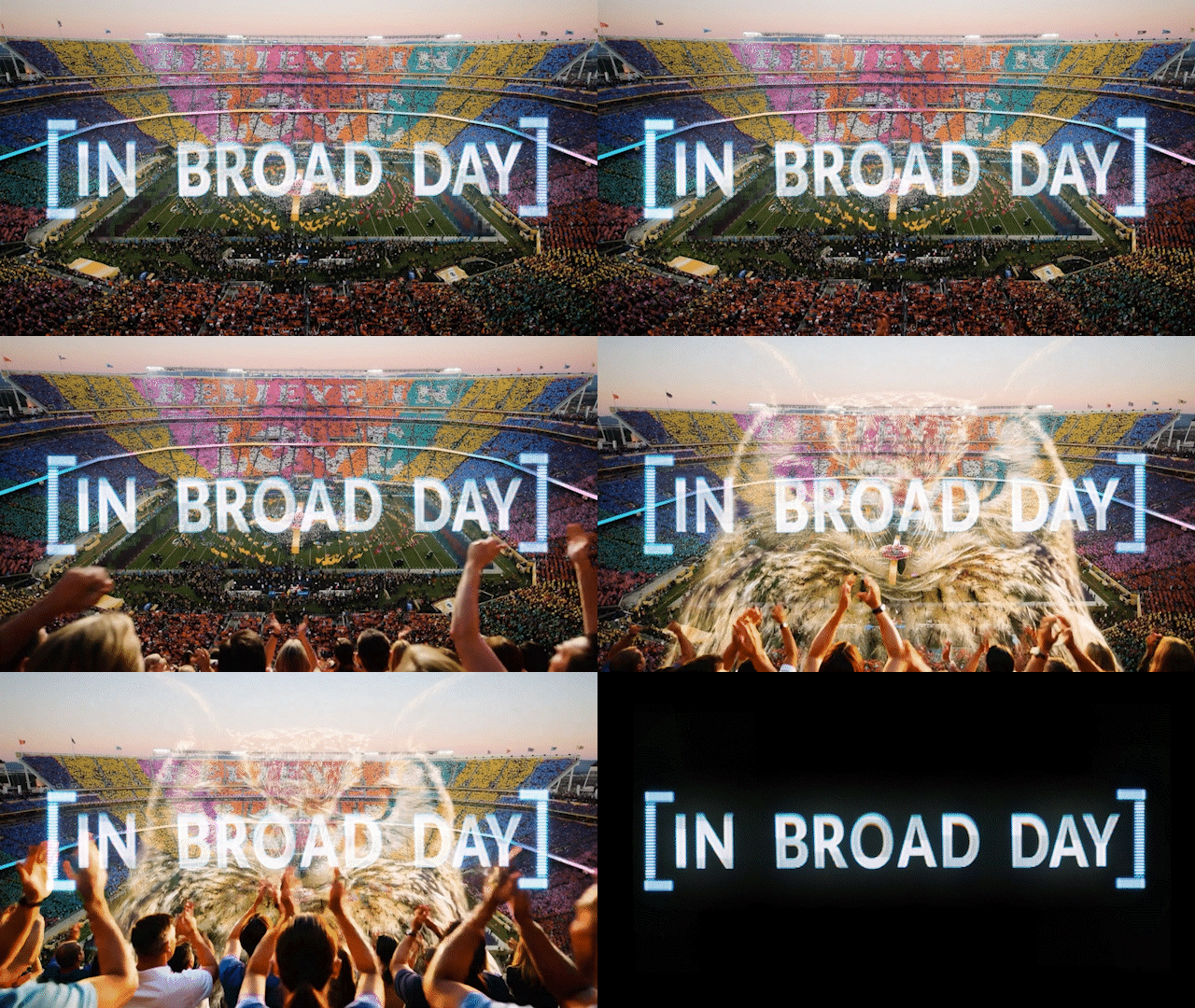
This year’s halftime performance, headlined by global superstar Bad Bunny — mostly Spanish-language and culturally rooted — became one of the most talked-about moments in Super Bowl history. Critics slammed it as confusing or divisive; supporters called it joyous and unifying. A number of conservative figures, including President Donald Trump, openly criticized the show as “terrible” and “an affront to American values.”
Activist groups also seized the moment, distributing protest towels and messages related to immigration enforcement — turning the stadium into a canvas for social issues.
While many focused on language and culture, others saw something more unsettling — hints of deeper symbolic messaging and emotional manipulation.
is this Bigger Than Pop Music?
At its core, the Super Bowl halftime show defaults to spectacle, but public reactions show something more profound:
Cultural Identity vs. Mass Entertainment
Halfway across America, reactions weren’t just about music — they were about who this show felt made for.
Some viewers felt excluded by a Spanish-dominant set, while others celebrated the representation of Latino culture on the world’s biggest broadcast platform.
This clash ignited debates about national identity, inclusion, and whether a supposedly unifying event was steering audiences toward a particular worldview or agenda.
Symbolism or Subconscious Influence?
It’s no secret that halftime shows are engineered to evoke strong emotional responses. Critics and commentators alike point to layered visuals, orchestrated moments, and carefully curated symbols as more than just entertainment — as tools that shape collective perception.
This idea isn’t fringe. Similar conversations have trended under phrases like “propaganda — I’m not falling for it,” where people express deep distrust in media messaging, believing it’s designed to influence how society thinks and feels.
Whether you agree with that language or not, the feeling of being watched or shaped by what you’re watching has gone mainstream.
Propaganda or Reflection?
The real question isn’t just what the halftime show contained — but why so many people see it as something more than a performance.
Some viewers and social media commentators already frame the spectacle as part of a larger pattern: an effort by mass media and corporate interests to guide public sentiment, values, and even cultural identity — all under the guise of entertainment. Supporters of this broader interpretation point to:
- High-impact visuals and theatrical symbolism that are open to interpretation
- Social reactions that seem orchestrated or divisive
- Messaging framed as unity but received as political or cultural persuasion
For some, this isn’t harmless: it’s a sign that media events like the Super Bowl are powerful tools that can influence beliefs and behaviors on a massive scale. In an era where trust in institutions is already low, these interpretations gain traction quickly.
How Many Believe the Broadcast Is Watching Them Back?
Alongside cultural criticism, a notable segment of commentary — especially online — asks something deeper:
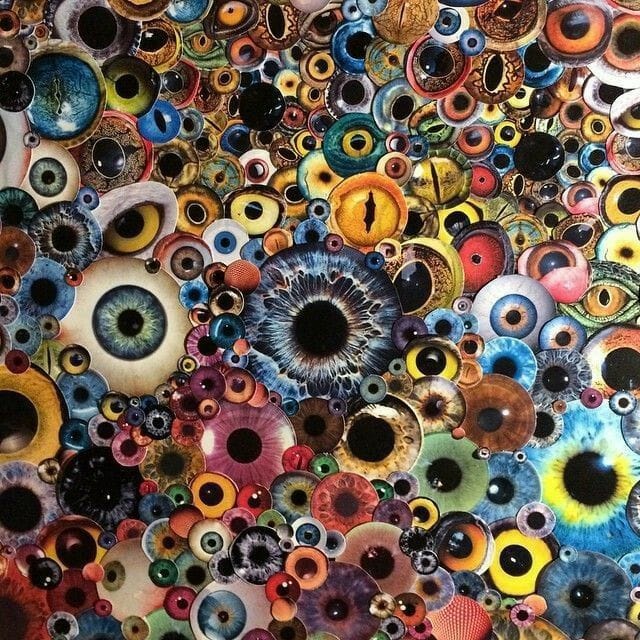
Is the Super Bowl halftime show simply a performance… or is it designed to FORCE attention, emotion, and consent in a way reminiscent of psychological influence?
This idea overlaps with a growing discourse about how media can shape:
- Collective mood and worldview
- Emotional reactions
- Group identity
- Social narratives
Some voices even posit metaphors like “harvesting energy” — not in the literal sense of literal energy extraction, but as a way of describing how attention and emotional engagement are captured and monetized back to the broadcasters and corporations behind the spectacle.
Whether one interprets this as literal control or symbolic influence, the debate reflects a broader unease about who holds cultural power — and how they wield it.
It’s disturbingly easy…
to distract a population from questions of power when spectacle is loud enough and repetition feels like ritual. The clip you reference doesn’t need to be taken as literal instruction to land its point: when attention is constantly redirected—toward outrage, fandom, tribal arguments, or surface-level controversy—critical thought quietly atrophies. Comfort replaces curiosity. Ignorance becomes passive, then convenient, then defensible. And in that fog, submission doesn’t arrive through force but through distraction, where people participate willingly because asking harder questions feels exhausting, conspiratorial, or socially unsafe. The guilt here isn’t in being fooled once—it’s in realizing how often we choose not to look again, how easily we trade awareness for entertainment, and how quickly that trade becomes a habit.

What This Says About America (and the World)
This isn’t just about one performance. It’s about:
- The fear of manipulation in mass media
- Questions of identity and representation
- Cultural anxiety in an increasingly divided public sphere
- The power of spectacle to steer attention
The debate itself — whether rooted in fact, interpretation, or something in between — reveals something critical: people don’t just watch the Super Bowl anymore… they feel watched by it. If not on a personal level, then at least in terms of personal data.
In the end, that’s the most potent message of all:
The audience is no longer passive — and every broadcast is a platform where meaning is negotiated, contested, and reconstructed.
So where do you stand?
Leave a Reply