

[In Broad Day] Magazine does not NEED to celebrate Black History Month… because we care about taste.
Taste does not announce itself. It reveals itself over time—through repetition, discipline, and an unspoken agreement about what belongs in the room. We are not interested in celebrating Black History Month as a checkbox or a campaign. We are interested in honoring a lineage of taste that has shaped rooms, standards, and sensibilities—often invisibly, often without applause.
We’re exactly one week in and Black History Month is often framed as a civic exercise: a time to acknowledge struggle, correct omission, or rehearse narratives of pain and progress. Those stories matter. But they are not the only stories. And they are not always the most instructive. There is another lineage—quieter, steadier, less eager to persuade—that deserves attention precisely because it never asked for it.
Taste lives there.
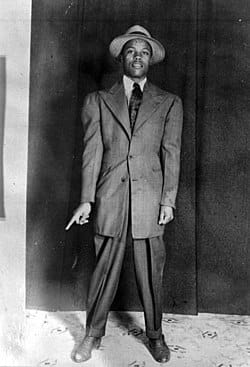
Taste is not trend. It is not reaction. It is not outrage or urgency. Taste is the long memory of what works, what lasts, what elevates a space without disturbing it. It is posture. It is restraint. It is knowing when not to speak because the room already understands.
Long before culture was debated, it was practiced. Long before it was politicized, it was refined.
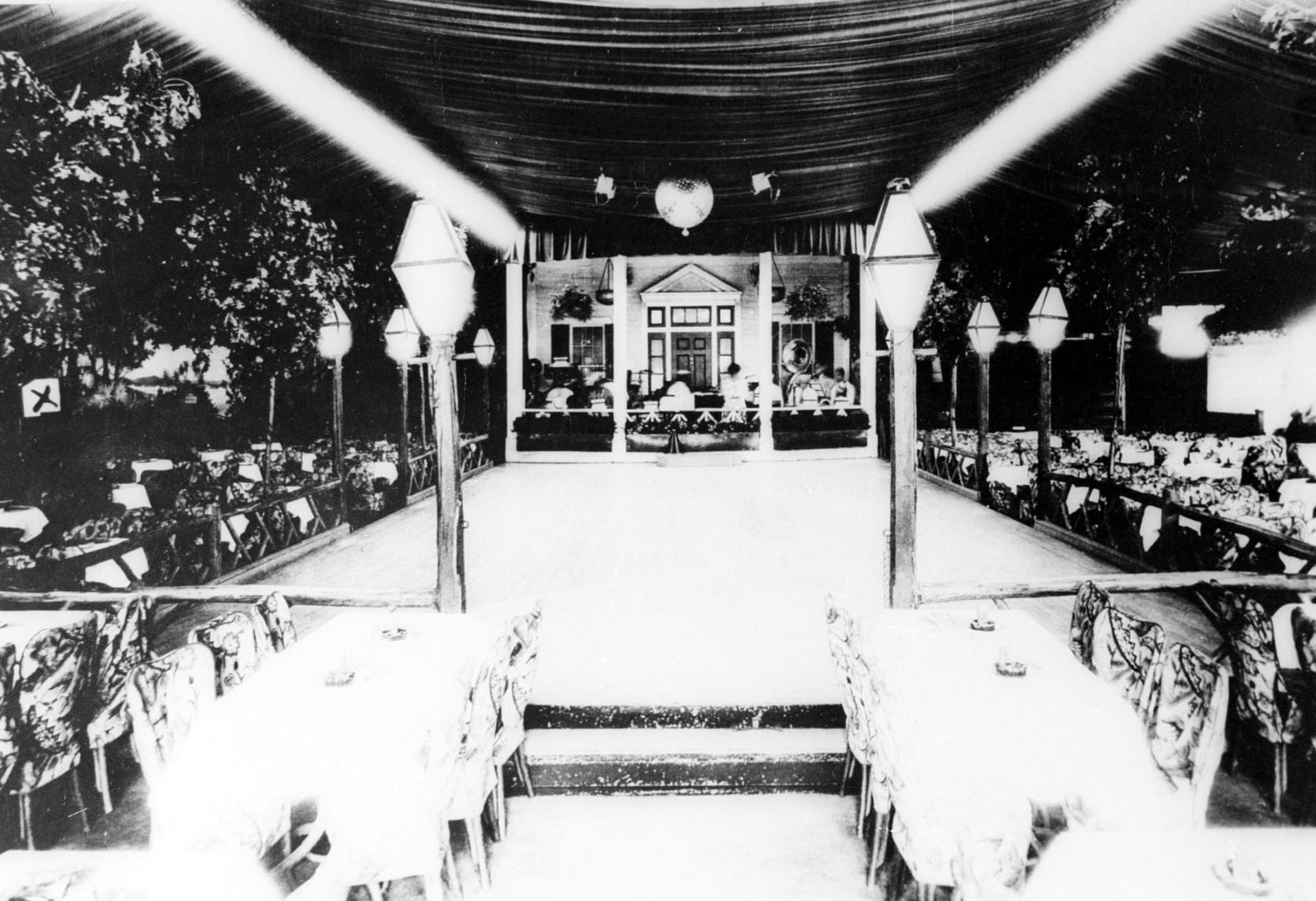
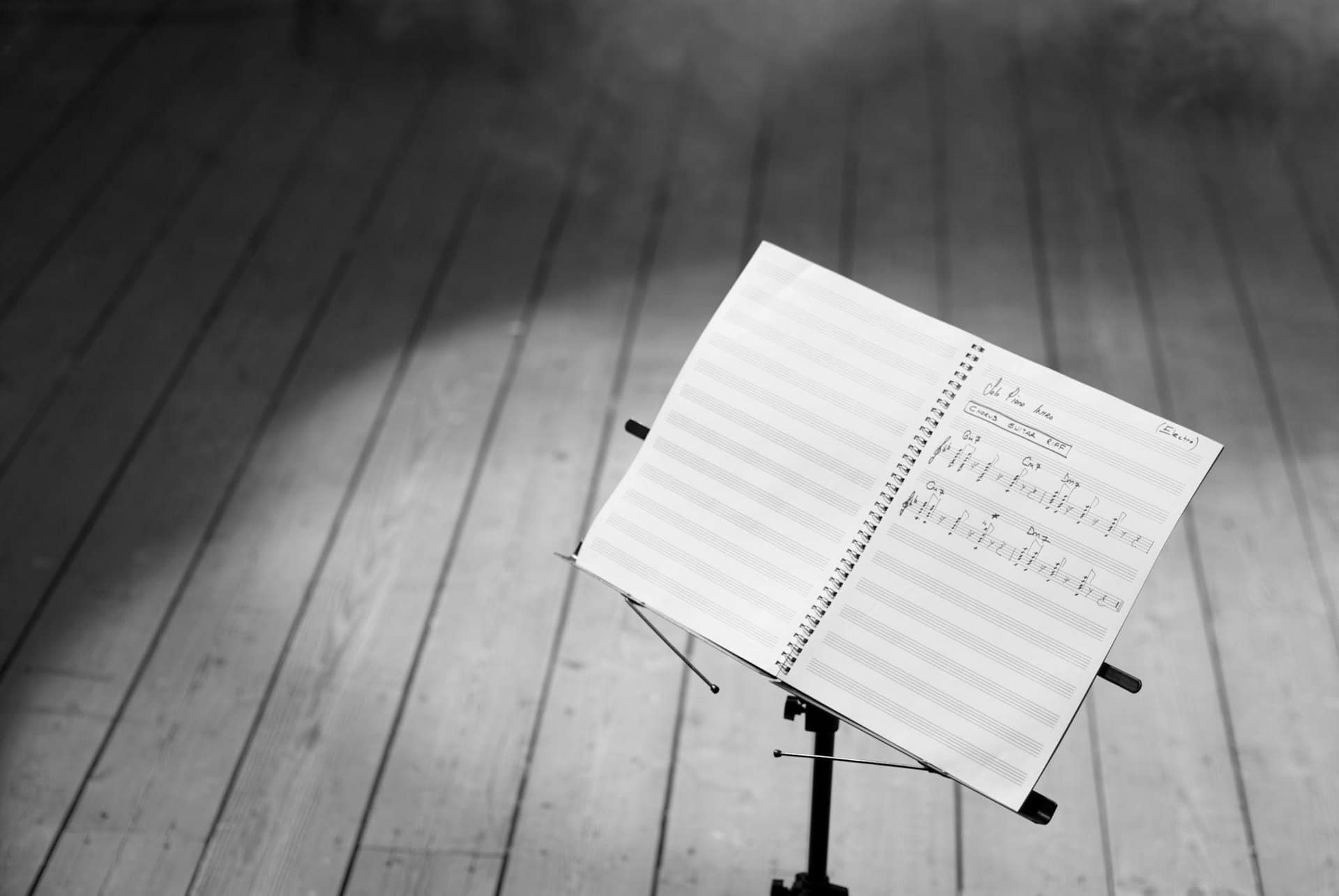
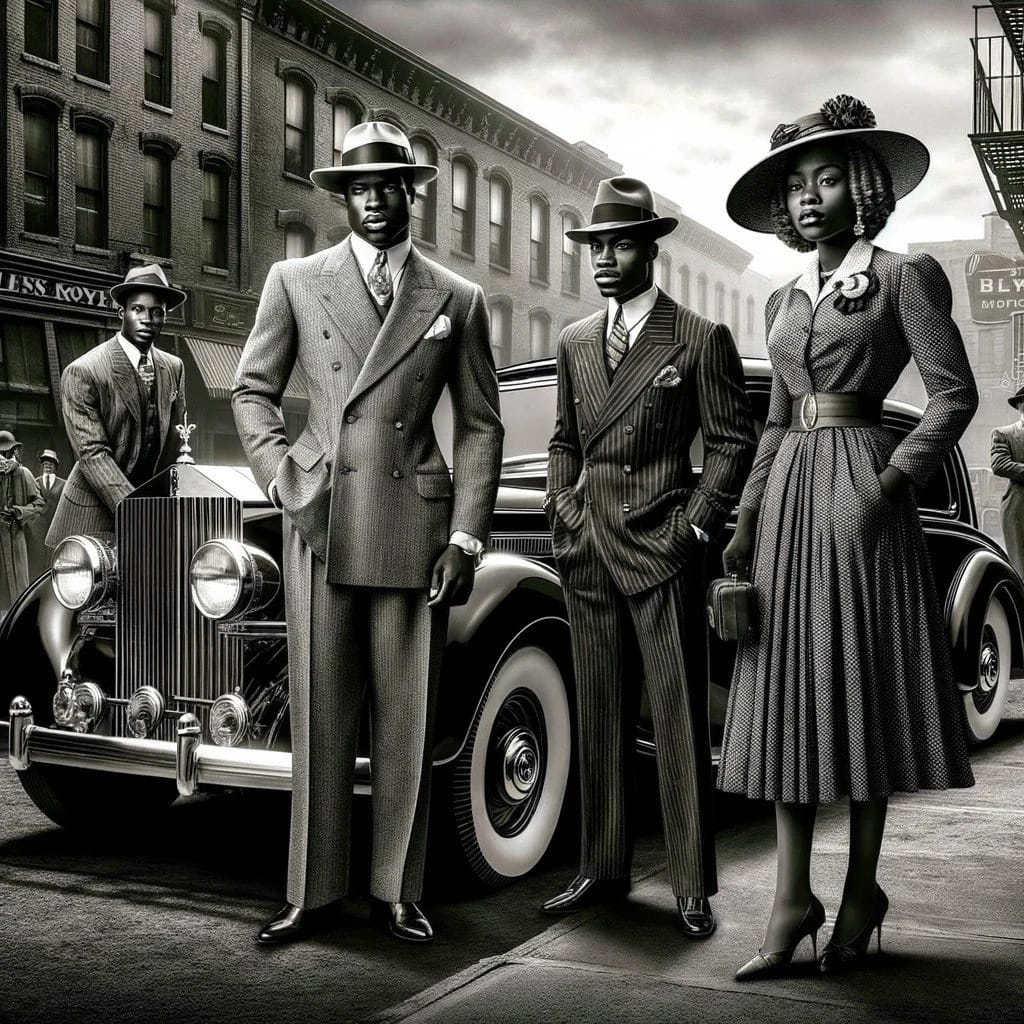
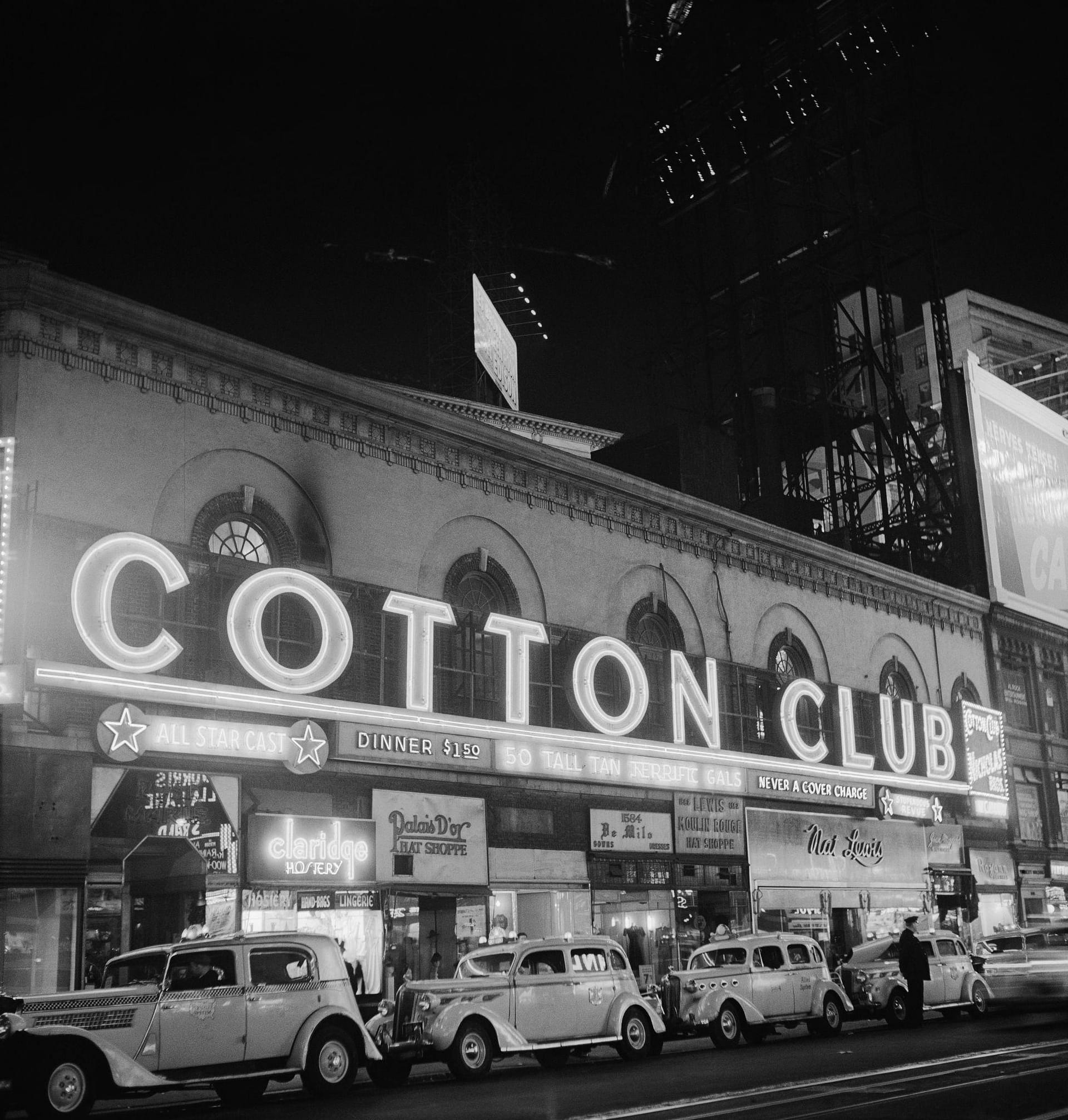
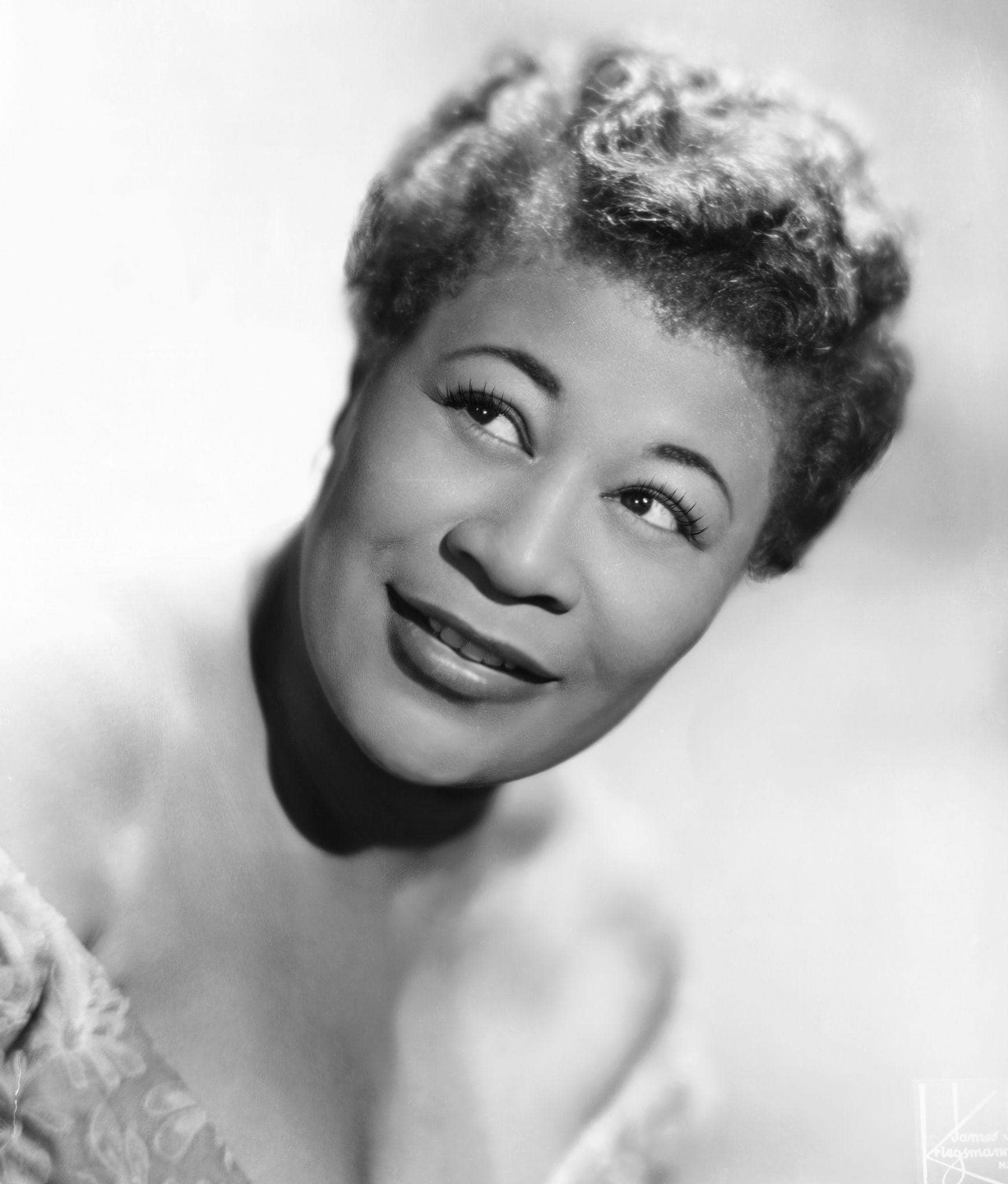
In the American Songbook era—an era often remembered for its melodies and moods—there was an unspoken standard being set. Not just in music, but in dress, timing, atmosphere, and demeanor. The suit was pressed. The band was punctual. The room was prepared. None of this was accidental. It was cultivated. And much of it emerged from Black hands, Black rooms, Black discipline—without fanfare and without footnotes.
The lounge did not need an explanation. The music did not need a manifesto. The taste was evident in how the night unfolded.
This is not an argument about credit. It is an observation about influence. Taste does not require permission, and it does not depend on recognition to exist. It moves laterally, not vertically. It passes from room to room, generation to generation, carried by those who understand that excellence is a practice, not a performance.

What we inherit culturally is not only trauma or resistance, but discernment. An understanding of when something is finished—and when it has gone too far. An instinct for balance. A sensitivity to rhythm, proportion, and timing. These are not loud traits. They are refined ones.
Black culture has often been discussed as a force of disruption. But just as often, it has been a force of order. Of calibration. Of knowing how much is enough.
There is a particular confidence in that kind of restraint. It does not ask to be centered. It assumes the center will adjust.
When fashion is discussed, for example, the conversation too often rushes toward novelty or rebellion. But fashion’s deeper function has always been about fit—between body and garment, individual and environment. The well-cut suit, the intentional silhouette, the disciplined palette: these are not acts of defiance. They are acts of understanding. They signal respect for the space one enters and confidence in one’s right to be there.

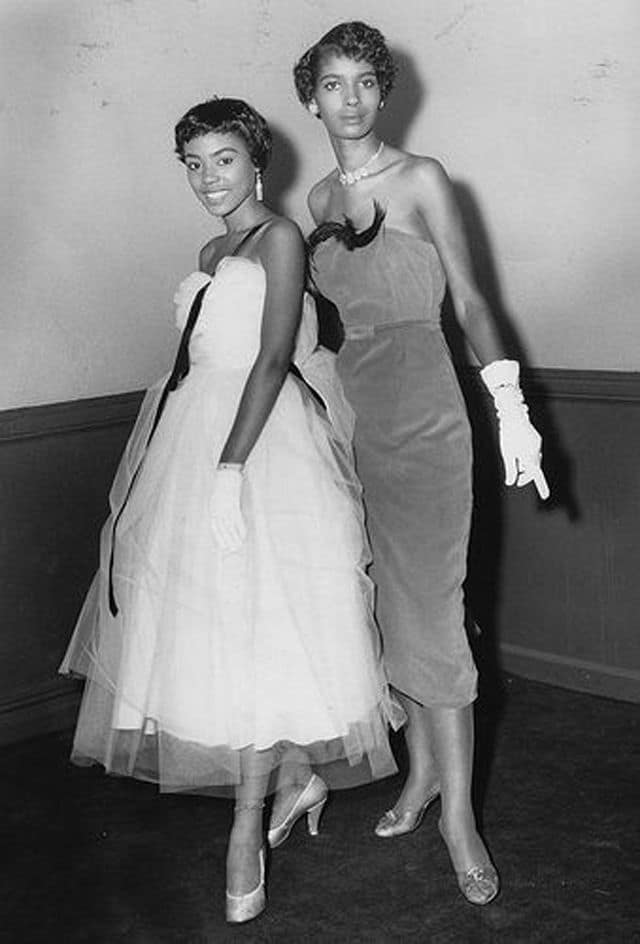
That sensibility did not arrive late to the American cultural table. It helped set it.
The same can be said of music, architecture, social rituals, even silence. Taste shows itself in what is omitted as much as what is included. In the pause between notes. In the decision not to fill every moment. In the assurance that the work can stand without explanation.
This is why reducing Black cultural contribution to protest alone feels incomplete. It flattens a much richer terrain. There is protest, yes—but there is also poise. There is urgency, but there is also ease. There is resistance, but there is also refinement.
And refinement has always mattered.
This is not about reclaiming narratives. It is about recognizing realities.
Taste has always been worth protecting. Not everything Black is political. Some of it is simply… excellent. We don’t have to celebrate Black History Month since culture refined the room before it ever entered the conversation.

Leave a Reply