
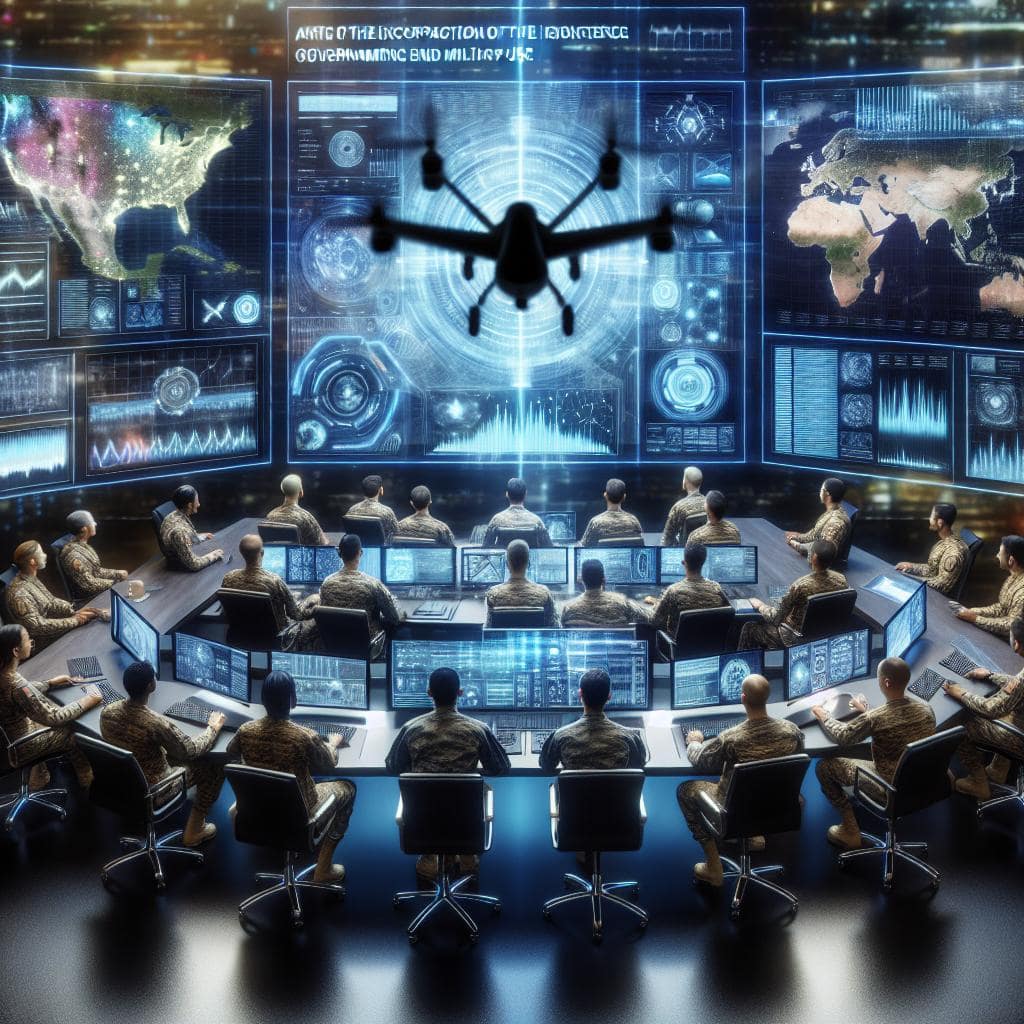

There is now an escalating dispute between the Pentagon—led by Defense Secretary Pete Hegseth—and Anthropic, maker of the AI model Claude, over who gets to set enforceable limits (“red lines”) on military uses of frontier AI.
What triggered the conflict
Anthropic has allowed government use of Claude, but it set two key restrictions:
- No use for mass surveillance of Americans.
- No use for lethal autonomous weapons systems.
According to the piece, Hegseth rejected both conditions and demanded Anthropic remove them on a tight deadline—framing the issue as a question of state authority rather than vendor policy.
The Pentagon’s implied leverage
New articles report two threatened paths if Anthropic refused:
- Invoking the Defense Production Act to compel delivery of a less-restricted model (informally dubbed “WarClaude”).
- Cutting ties and labeling Anthropic a “supply-chain risk”, a severe designation that could ripple across defense contracting relationships.
Why Claude is central
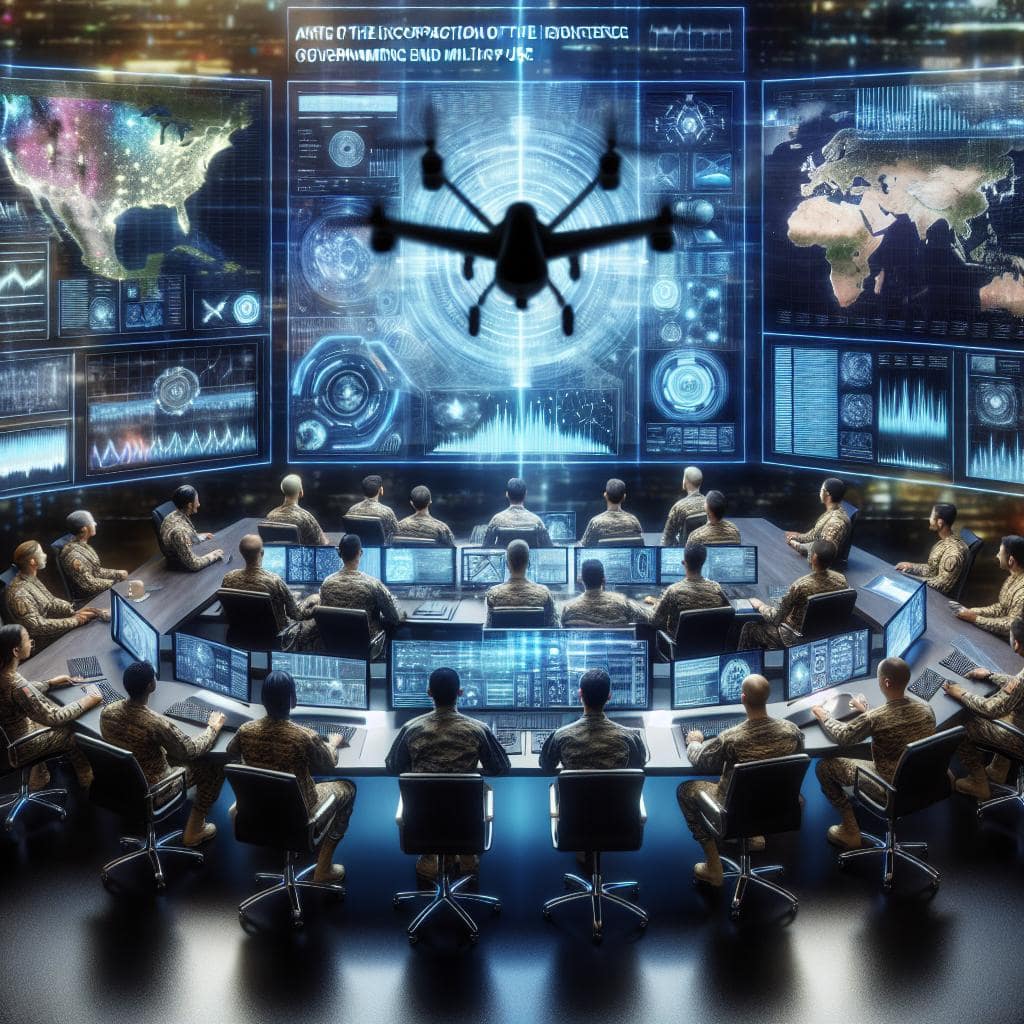
Claude is portrayed as both safety-forward (with an extensive internal “constitution” meant to prevent catastrophic misuse) and already militarily valuable—particularly for synthesizing intelligence, drafting reports, and supporting cyber operations. The tension is that Anthropic’s public safety posture collides with its product’s usefulness in conflict.
Key stakes
- Governance vacuum: Ideally, Congress would set durable rules for military AI, but absent legislation, corporate policies and executive-branch pressure fill the gap.
- Trust and culture politics: The dispute is also framed as a mutual trust problem, amplified by accusations that Anthropic represents “woke AI.”
- Technical risk: Pushing models toward warfighting roles could heighten risks of unpredictable behavior (“emergent misalignment”), raising the case for stronger auditing and accountability if guardrails are loosened.
- Precedent-setting: Even if the Pentagon can use other vendors, pressuring Anthropic could establish that the government—not private labs—ultimately defines the boundaries of military AI use.
Leave a Reply